Blog

  • Complete Tree Care Guide: Maintaining Beautiful, Strong, and Long-Lasting Trees

    Complete Tree Care Guide: Maintaining Beautiful, Strong, and Long-Lasting Trees

    Trees are among the most important natural features of our planet. They improve the appearance of landscapes, provide fresh air, offer shade, and support a wide variety of wildlife. Whether growing in a residential garden, public park, woodland, or commercial landscape, trees require proper maintenance to remain healthy. Good tree care involves understanding their growth requirements, protecting them from environmental stress, and providing suitable maintenance throughout the year.

    1. Understanding Different Tree Growth Requirements

    Every tree species has unique characteristics and growing requirements. Some trees grow well in direct sunlight, while others prefer partially shaded environments. Certain species require moist soil, whereas others can tolerate relatively dry conditions. Understanding these differences helps gardeners provide suitable care. Researching a tree’s natural habitat, mature size, and soil preferences before planting can prevent future growth problems.

    2. Providing Adequate Sunlight

    Sunlight is essential for photosynthesis, the process through which trees produce the energy required for growth. Most trees need an appropriate amount of natural light to develop healthy leaves, branches, and roots. When planting new trees, consider nearby buildings, fences, and larger plants that may block sunlight. Proper spacing allows trees to grow naturally without excessive competition for light and other resources.

    3. Preventing Physical Damage

    Physical injuries can weaken trees and make them more vulnerable to pests and diseases. Damage may occur through lawnmowers, gardening equipment, vehicles, construction activities, or careless pruning. Protecting the trunk and root area is particularly important for young trees. Avoid attaching heavy objects to branches and never use equipment that could cut or damage the bark. Small precautions can help prevent long-term structural problems.

    4. Supporting Young Trees During Establishment

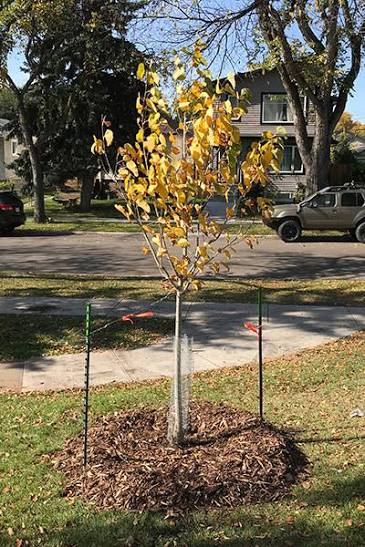
    Young trees require special attention during their first few years. Their root systems are still developing, making them more sensitive to drought, strong winds, and poor soil conditions. Regular watering, suitable mulching, and protection from physical damage can support successful establishment. Staking may be necessary in certain situations, but it should not restrict natural trunk movement or remain in place longer than required.

    5. Managing Fallen Leaves and Organic Waste

    Fallen leaves are a natural part of the tree life cycle. Rather than treating all leaves as waste, they can be used to create valuable organic material. Healthy fallen leaves can be composted and returned to garden soil, helping improve soil structure and nutrient content. However, leaves showing signs of certain diseases should be managed according to local guidance to avoid spreading infections.

    6. Monitoring Tree Stability and Safety

    Tree stability is important for protecting people, buildings, and nearby property. Signs such as sudden leaning, major trunk cracks, exposed roots, and large dead branches may indicate structural concerns. Not every leaning tree is dangerous, but sudden changes should be assessed promptly. A qualified arborist can inspect the tree, evaluate potential risks, and recommend suitable management measures.

    7. Using Environmentally Friendly Maintenance Methods

    Eco-friendly tree maintenance reduces unnecessary harm to the surrounding environment. Organic mulch, responsible water management, appropriate composting, and careful pest control are useful practices. Avoid using pesticides or fertilisers without understanding whether they are needed. Whenever possible, choose maintenance methods that protect beneficial insects, soil organisms, and nearby plants.

    8. The Benefits of Community Tree Care

    Tree protection is not only an individual responsibility. Communities, schools, businesses, and local organisations can all contribute to maintaining green spaces. Organising tree-planting events, educational activities, and regular inspections can increase awareness about environmental conservation. Community involvement also encourages people to respect public trees and understand their importance.

    Conclusion

    Healthy trees are the foundation of attractive and sustainable landscapes. Their long-term survival depends on proper planting, sufficient sunlight, balanced watering, soil protection, and regular inspections. Preventing physical damage and using environmentally responsible maintenance methods can significantly improve tree health. By developing good tree care habits and involving local communities, we can preserve valuable green spaces and create a healthier environment for future generations.
  • Complete Guide to Tree Maintenance: Essential Tips for Healthy and Beautiful Trees

    Complete Guide to Tree Maintenance: Essential Tips for Healthy and Beautiful Trees

    Trees are an essential part of our environment. They improve air quality, provide natural shade, support wildlife, and make outdoor spaces more attractive. Whether growing in a garden, park, roadside, or forest, trees require regular maintenance to remain healthy and strong. Proper tree maintenance not only improves their appearance but also prevents potential hazards and extends their lifespan.

    1. Choose the Right Location for Planting

    Successful tree care begins before planting. Selecting the right location is important because different tree species have different requirements for sunlight, space, soil, and water. Before planting, consider how large the tree will become and whether its roots and branches will have enough room to grow.

    Avoid planting large trees too close to buildings, underground pipes, driveways, or power lines. Choosing a suitable location helps prevent future maintenance problems and encourages healthy development.

    2. Provide Essential Nutrients

    Like other living organisms, trees need nutrients to grow properly. Nitrogen, phosphorus, and potassium are among the essential nutrients that support healthy roots, leaves, and branches.

    Although many trees grow well without additional fertilisers, some may benefit from soil improvement. Compost and organic matter can improve soil structure and provide nutrients naturally. Before applying fertiliser, consider testing the soil to identify any deficiencies. Excessive fertilisation can damage roots and create unnecessary environmental problems.

    3. Maintain Proper Mulching Practices

    Mulching is one of the easiest ways to improve tree health. Organic materials such as wood chips, bark, and fallen leaves can be used as mulch around trees.

    A layer of mulch helps conserve soil moisture, control weeds, and protect roots from extreme temperatures. It also gradually breaks down and adds organic matter to the soil.

    For effective results, spread mulch evenly around the tree while keeping it away from the trunk. Avoid creating a thick mound around the base.

    4. Prevent Root Damage

    Tree roots are essential because they absorb water and nutrients while providing stability. However, roots can easily be damaged by construction work, heavy vehicles, soil compaction, and careless digging.

    To protect tree roots, avoid parking vehicles beneath trees or storing heavy materials near their base. Do not dig deeply around established trees without understanding where their roots are located. Healthy roots contribute significantly to the long-term survival of trees.

    5. Recognise Signs of Unhealthy Trees

    Regular tree inspections can help identify problems early. Some common warning signs include:

    • Yellowing or unusually falling leaves.

    • Cracks or wounds in the trunk.

    • Dead or broken branches.

    • Fungal growth around the trunk or roots.

    • Unusual leaning or movement in the soil.

    • Signs of insect activity or damaged bark.

    If these symptoms appear, professional assessment may be necessary to determine the cause and recommend suitable treatment.

    6. Encourage Sustainable Tree Care

    Environmentally friendly tree care focuses on protecting natural resources while maintaining healthy landscapes. Using organic mulch, collecting rainwater, avoiding unnecessary chemical treatments, and planting native tree species are practical ways to support sustainability.

    Native trees are often better adapted to local weather and soil conditions. They can also provide valuable food and shelter for local birds, insects, and other wildlife.

    7. Hire Professional Tree Care Services

    Some tree maintenance activities require specialist knowledge and equipment. Professional arborists can assess tree health, perform complex pruning, identify diseases, and safely remove dangerous branches.

    Hiring qualified professionals is particularly important when dealing with mature trees, storm damage, unstable branches, or trees close to buildings and electrical cables.

    Conclusion

    Maintaining healthy trees requires patience, knowledge, and consistent attention. From selecting the right planting location to protecting roots and monitoring diseases, every maintenance activity contributes to stronger and healthier growth. By following responsible tree care practices, homeowners and communities can preserve valuable trees, improve their surroundings, and contribute to a greener planet. Investing in tree maintenance today ensures that future generations can continue enjoying the environmental and natural benefits of trees.

  • Tree Care and Restoration: Protecting Natural Beauty Through Proper Maintenance

    Tree Care and Restoration: Protecting Natural Beauty Through Proper Maintenance

    Trees are an essential part of our environment, providing numerous benefits to people, wildlife, and the natural world. They improve air quality, absorb carbon dioxide, provide shade, reduce soil erosion, and create habitats for different species. Healthy trees also increase the beauty and value of gardens, parks, and residential landscapes. However, environmental changes, diseases, pests, and human activities can affect their growth. Proper tree care and restoration practices help maintain their health, improve their structure, and protect them for future generations.

    1. Understanding the Causes of Tree Damage

    Trees can experience damage for many different reasons. Severe weather, drought, soil compaction, insect infestations, fungal diseases, and physical injuries are common causes. Construction activities and improper gardening practices can also affect roots and trunks. Understanding the source of damage is important because different problems require different solutions. Regular inspections help identify early warning signs and prevent further deterioration.

    2. Restoring the Health of Damaged Trees

    A damaged tree may recover when the underlying problem is identified and suitable care is provided. Restoration can involve improving soil conditions, correcting watering practices, protecting roots, and managing damaged branches. However, not every damaged tree can recover completely. Trees with severe structural problems or extensive disease may require specialist assessment. A qualified arborist can determine whether restoration, ongoing monitoring, or removal is the safest option.

    3. Maintaining Healthy Tree Trunks

    The trunk provides structural support and transports water and nutrients throughout the tree. Its bark also acts as a protective barrier against environmental damage and certain pests. Gardeners should avoid striking trunks with lawn equipment, attaching heavy objects, or removing bark unnecessarily. Regularly examining the trunk can help identify cracks, cavities, unusual growth, and other changes that may require professional attention.

    4. Improving Tree Growth Through Proper Spacing

    Planting trees too close together can create competition for sunlight, water, nutrients, and growing space. Overcrowding may also restrict air circulation and affect the development of branches. Proper spacing allows trees to develop their natural canopy and root systems. Before planting, consider the mature size of each species and the distance required from buildings, fences, pathways, and neighbouring trees.

    5. Understanding the Value of Tree Mulching

    Mulching is an effective way to maintain suitable soil conditions. Organic materials such as bark, wood chips, and composted leaves can help conserve moisture and regulate soil temperature. Mulch also reduces weed competition and gradually adds organic matter to the soil. For best results, apply mulch in an even layer around the root area without allowing it to touch the trunk directly.

    6. Preparing Trees for Severe Weather

    Storms, strong winds, heavy rain, and extreme temperatures can create challenging conditions for trees. Regular inspections help identify weak branches and existing structural concerns before severe weather occurs. Young trees may need appropriate temporary support, while mature trees should be assessed for signs of instability. Following a storm, avoid approaching hanging branches or damaged trees near power lines. Contact qualified professionals when hazardous conditions are present.

    7. Maintaining Fruit Trees and Their Productivity

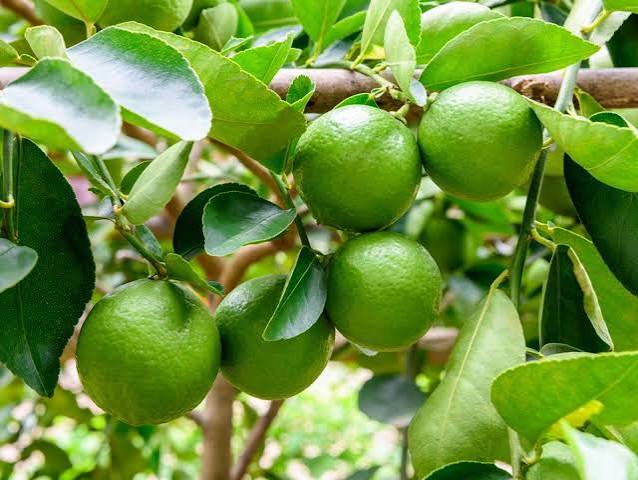
    Fruit trees require specific maintenance to encourage healthy growth and successful fruit production. Appropriate pruning, suitable watering, soil management, and monitoring for pests and diseases all contribute to their development. Different fruit species have different flowering and pruning requirements, so maintenance should be adapted accordingly. Pollination is also important, and encouraging beneficial insects can improve fruit production in many varieties.

    8. Protecting Trees from Construction Activities

    Construction and landscaping projects can have a significant effect on established trees. Excavation may damage roots, while heavy machinery can compact the surrounding soil. Changes in ground levels and drainage may also affect tree health. Before starting a project, identify important trees and establish suitable root protection areas. Professional tree surveys and careful site planning can help prevent unnecessary damage.

    9. Maintaining Trees for Future Generations

    Long-term tree preservation requires regular attention and responsible decision-making. Keeping records of tree inspections, maintenance activities, and health conditions makes it easier to monitor development. Replacing unsuitable trees with appropriate species and protecting valuable mature trees can also improve the long-term quality of landscapes. Community involvement and environmental education further strengthen conservation efforts.

    Conclusion

    Tree care and restoration are important for maintaining healthy landscapes and protecting natural resources. Understanding tree damage, improving soil conditions, protecting trunks and roots, and preparing trees for changing weather can make a meaningful difference. Through regular maintenance and professional guidance, damaged trees may receive appropriate support, while healthy trees can continue to thrive. Protecting trees today helps preserve natural beauty, biodiversity, and environmental balance for tomorrow.

  • The Science of Tree Care: Effective Strategies for Stronger and Longer-Living Trees

    The Science of Tree Care: Effective Strategies for Stronger and Longer-Living Trees

    Trees are an essential part of our natural environment. They provide oxygen, absorb carbon dioxide, improve air quality, reduce temperatures, and create habitats for wildlife. They also contribute to the beauty of residential gardens, public parks, streets, and forests. Although trees can survive in different environmental conditions, their health and lifespan depend on several factors, including soil quality, water availability, sunlight, and proper maintenance. Understanding the science behind tree care helps us make better decisions and protect trees throughout their lives.

    1. Understanding the Biological Needs of Trees

    Trees are living organisms that require specific conditions to grow and develop. Their roots absorb water and minerals from the soil, while their leaves capture sunlight to produce energy through photosynthesis. The trunk provides structural support and transports water and nutrients between the roots and canopy. Damage to any of these essential parts can affect the entire tree. Providing suitable growing conditions helps maintain this natural system and supports healthy development.

    2. Improving Root Health Through Proper Soil Management

    Root health is one of the most important factors in successful tree maintenance. Roots need sufficient oxygen, moisture, and nutrients to function effectively. Poor soil structure and excessive compaction can restrict root development. Adding suitable organic materials, maintaining appropriate drainage, and protecting the root zone can improve growing conditions. Avoid placing concrete, heavy equipment, or large quantities of soil directly over important root areas.

    3. Understanding the Importance of Tree Hydration

    Water plays a vital role in transporting nutrients, maintaining leaf structure, and supporting photosynthesis. Trees experiencing water shortages may develop dry leaves, reduced growth, and premature leaf loss. On the other hand, excessive moisture can cause oxygen shortages around the roots and encourage root diseases. The correct watering approach depends on tree age, species, weather, and soil type. Monitoring soil moisture is more effective than following an unnecessary fixed watering schedule.

    4. Managing Tree Canopies for Better Growth

    A healthy canopy allows trees to collect sunlight and maintain balanced growth. Overcrowded or damaged branches may affect the structure and appearance of a tree. Appropriate pruning can remove dead wood, reduce certain hazards, and encourage better branch development. However, pruning should always respect the natural shape of the tree. Avoid cutting too much foliage because leaves are essential for energy production.

    5. Recognising Environmental Stress

    Environmental stress can occur when trees experience unsuitable growing conditions. Common causes include drought, extreme temperatures, pollution, soil disturbance, and limited growing space. Stress may appear through leaf discolouration, reduced growth, dead branches, or unusual changes in the canopy. Identifying the underlying cause is important because treating only the visible symptoms may not solve the problem. Professional assessment can help determine the most suitable response.

    6. Encouraging Natural Pest Control

    Not all insects are harmful to trees. Many insects contribute to pollination, decomposition, and natural pest control. Encouraging beneficial wildlife can help maintain a balanced garden ecosystem. Planting diverse vegetation, avoiding unnecessary pesticide applications, and providing suitable habitats for beneficial insects are useful approaches. When harmful pests become a serious problem, targeted treatments should be selected according to the species involved and the level of damage.

    7. Maintaining Trees During Seasonal Changes

    Seasonal maintenance helps trees cope with changing environmental conditions. In spring, inspect new growth and monitor possible pest activity. During summer, pay attention to soil moisture and signs of heat stress. Autumn provides an opportunity to examine tree structure and manage fallen leaves where disease prevention is necessary. In winter, check for storm damage and broken branches. Maintenance activities should always reflect the needs of individual tree species.

    8. Protecting Trees in Urban Landscapes

    Urban trees face challenges that are less common in natural woodland environments. Limited soil space, construction, vehicle pollution, underground infrastructure, and compacted ground can affect their growth. Providing suitable planting spaces and protecting existing root systems can improve survival rates. Local authorities, landscape professionals, and residents all have a role in maintaining healthy urban trees.

    9. Building a Sustainable Tree Care Culture

    Tree preservation becomes more effective when people understand its environmental importance. Schools, community organisations, homeowners, and businesses can contribute through tree planting, educational programmes, and responsible landscape management. Recording tree conditions and organising regular inspections can also improve long-term care.

    Conclusion

    The science of tree care demonstrates that healthy trees depend on balanced growing conditions and responsible maintenance. Proper soil management, suitable watering, careful pruning, pest monitoring, and seasonal inspections all contribute to stronger trees. By understanding their biological requirements and protecting their natural environment, we can extend tree life, support biodiversity, and create healthier landscapes for future generations.

  • Supporting Healthy Trees Through Proper Light Management

    Supporting Healthy Trees Through Proper Light Management

    Sunlight is essential for photosynthesis, but different species have different light requirements.

    Trees planted in unsuitable locations may develop weak growth or uneven canopies.

    Before planting, evaluate the amount of direct sunlight available throughout the day.

    Avoid unnecessarily removing nearby vegetation simply to increase sunlight, as this may affect the surrounding ecosystem.

    12. Understanding the Importance of Tree Species Identification

    Correct tree identification helps gardeners understand the specific needs of individual trees.

    Different species have different requirements for watering, pruning, nutrition, and disease management.

    Identification also helps distinguish natural seasonal changes from potential health problems.

    Plant identification applications, reference guides, and professional arborists can help determine the species of unfamiliar trees.

    13. Maintaining Trees Near Underground Utilities

    Underground water pipes, drainage systems, electricity cables, and other utilities should be considered when planning tree planting.

    Some species develop extensive root systems that may interact with existing infrastructure, particularly where pipes are damaged or leaking.

    Before planting, identify underground services and select suitable species and locations.

    Professional advice can help prevent unnecessary conflicts between trees and infrastructure.

    14. Improving Tree Care Through Sustainable Waste Management

    Garden waste can often be reused to support healthy landscapes.

    Suitable fallen leaves can be composted, while appropriate untreated wood chips can be used as mulch.

    Recycling organic materials reduces waste and returns valuable organic matter to the garden.

    However, diseased plant material should be managed appropriately to avoid spreading certain pests or diseases.

    15. Protecting Trees During Extended Dry Periods

    Extended dry weather can reduce soil moisture and affect tree development.

    Young trees and species with high water requirements may be particularly vulnerable.

    Monitor the soil regularly, provide appropriate irrigation, and maintain suitable mulch.

    Avoid excessive pruning during periods of drought because removing healthy foliage can further stress the tree.

    16. Understanding the Importance of Regular Tree Documentation

    Tree documentation helps property owners maintain accurate information about their landscapes.

    Useful records include:

    • Species identification.

    • Planting and inspection dates.

    • Estimated tree dimensions.

    • Soil and irrigation observations.

    • Pest and disease symptoms.

    • Pruning and maintenance history.

    • Professional assessment recommendations.

    Accurate documentation supports better long-term planning and helps identify changes in tree condition.

    17. Encouraging Tree Conservation in Local Communities

    Community participation plays an important role in protecting local trees.

    Residents can support environmental projects by planting appropriate species, maintaining community gardens, protecting established trees, and participating in educational activities.

    Local organizations can also encourage responsible landscaping and biodiversity conservation.

    These combined efforts help create greener neighborhoods and stronger environmental awareness.

    18. Building a Sustainable Future Through Tree Care

    Tree preservation is a long-term commitment that benefits both present and future generations.

    Protecting established trees, planting diverse species, maintaining healthy soil, and using water efficiently are important steps toward sustainable landscapes.

    Individuals, businesses, schools, and local authorities can all contribute to this goal through responsible environmental practices.

    Conclusion

    Successful tree care requires a balanced approach that combines proper planting, soil management, irrigation, structural maintenance, and environmental protection. Understanding tree roots, branch development, pollination, and climate-related challenges helps gardeners make informed decisions. Regular inspections, accurate documentation, and professional arborist guidance can further improve tree preservation. Most importantly, protecting mature trees and encouraging sustainable planting should remain priorities for every community. By adopting responsible maintenance practices, we can preserve natural beauty, support biodiversity, and create healthier green spaces for generations to come.

  • Complete Guide to Professional Tree Care: Modern Techniques for Healthy Growth and Long-Term PreservationComplete Guide to Professional Tree Care: Modern Techniques for Healthy Growth and Long-Term Preservation

    Complete Guide to Professional Tree Care: Modern Techniques for Healthy Growth and Long-Term PreservationComplete Guide to Professional Tree Care: Modern Techniques for Healthy Growth and Long-Term Preservation

    Trees are an important part of our natural environment and contribute to the beauty, health, and sustainability of our communities. They provide oxygen, absorb carbon dioxide, reduce pollution, and create natural shade. They also support wildlife, improve soil conditions, and help maintain ecological balance. However, keeping trees healthy requires proper maintenance, environmental awareness, and regular monitoring. From planting new saplings to preserving mature trees, every stage of tree development deserves attention. By adopting effective tree-care practices, property owners and gardening professionals can maintain attractive landscapes and protect valuable natural resources.

    1. Understanding the Importance of Tree Selection

    Selecting the right tree species is the foundation of successful tree maintenance. Different trees have different requirements for sunlight, temperature, soil moisture, and available space.

    Before planting, research the expected height, canopy width, root characteristics, and growth rate of the species. Consider whether the tree is suitable for the local climate and surrounding landscape.

    Native species are often beneficial because they support local wildlife and are adapted to regional environmental conditions.

    2. Creating Better Growing Conditions

    Healthy trees need a suitable environment to develop strong roots and branches. Good soil structure, sufficient sunlight, and proper drainage are essential.

    Avoid planting trees in locations where water regularly accumulates or where roots cannot spread naturally.

    Preparing the planting area carefully and protecting the surrounding soil can improve tree establishment and reduce future maintenance problems.

    3. Understanding the Role of Beneficial Soil Organisms

    Healthy soil contains microorganisms that contribute to nutrient cycling and organic matter decomposition.

    Certain fungi form beneficial relationships with tree roots, helping trees absorb water and nutrients. These relationships are particularly important in natural ecosystems.

    Avoid unnecessary soil disturbance and excessive chemical applications that may negatively affect beneficial soil organisms.

    Adding suitable organic matter can help maintain a healthier soil environment.

    4. Maintaining Proper Tree Spacing

    Tree spacing is an important consideration in gardens, parks, and commercial landscapes.

    Trees planted too close together may compete for sunlight, water, and nutrients. Their branches may also become crowded, reducing natural airflow.

    Before planting, consider the mature canopy size of each species. Providing enough space allows trees to develop balanced structures and reduces future management difficulties.

    5. Improving Tree Health Through Seasonal Observation

    Seasonal observation helps gardeners understand normal tree development and recognize unusual changes.

    During spring, examine fresh leaves and developing branches. In summer, monitor moisture levels and signs of heat stress. During autumn, observe changes in foliage and inspect branches. In winter, check for storm damage and structural concerns.

    Understanding natural seasonal changes prevents healthy trees from being mistaken for unhealthy ones.

    6. Protecting Trees From Excessive Sun Exposure

    Some young trees are sensitive to intense sunlight, particularly after transplanting.

    Excessive heat can increase water loss and cause leaf scorching. Maintaining appropriate soil moisture and using suitable mulch can help reduce stress.

    Where necessary, temporary protective shading may help vulnerable young trees establish themselves.

    The long-term solution is to select species that are suitable for the sunlight conditions of the planting location.

    7. Understanding the Importance of Tree Root Protection

    Tree roots extend beyond the visible trunk area and are essential for stability and nutrient absorption.

    Construction work, paving, excavation, and heavy traffic can damage roots and reduce tree health.

    Protect root zones by avoiding unnecessary digging, limiting soil compaction, and maintaining suitable drainage.

  • Complete Tree Health Management: Professional Tips for Growing and Protecting Healthy Trees

    Complete Tree Health Management: Professional Tips for Growing and Protecting Healthy Trees

    Trees are an important foundation of a healthy environment. They provide oxygen, absorb carbon dioxide, reduce air pollution, and help regulate temperatures. They also create natural habitats, protect soil, and improve the appearance of residential and commercial landscapes. Despite their importance, trees face various challenges, including changing weather, poor soil conditions, insect attacks, diseases, and human interference. Proper tree health management helps prevent these problems and supports healthy growth throughout a tree’s life. By following effective maintenance practices, homeowners, gardeners, and landscaping professionals can preserve trees and create greener outdoor spaces.

    1. Understanding Tree Health Indicators

    The overall condition of a tree can often be understood by observing its physical appearance. Healthy trees generally have appropriate foliage, stable trunks, and normal seasonal growth patterns.

    Regularly examine leaves, branches, bark, and surrounding soil. Unusual discoloration, premature leaf loss, dead branches, or fungal growth may indicate potential problems.

    It is important to understand that one symptom can have several possible causes. A proper assessment helps identify the actual issue before treatment begins.

    2. Choosing the Best Time for Tree Planting

    Planting time can influence how successfully a tree establishes itself. In many temperate regions, autumn and early spring are suitable periods because moderate temperatures can reduce water stress.

    However, the ideal planting season depends on the species, local climate, and soil conditions.

    Avoid planting during extreme heat or when the soil is frozen or waterlogged. Providing suitable conditions during establishment helps young trees develop stronger root systems.

    3. Protecting Trees From Nutrient Deficiencies

    Nutrient deficiencies can affect leaf development, root growth, and overall tree health.

    Different nutrients perform different functions:

    • Nitrogen: Supports foliage and shoot development.

    • Phosphorus: Contributes to energy transfer and root development.

    • Potassium: Supports water regulation and plant functions.

    • Magnesium: Helps maintain chlorophyll production.

    • Calcium: Contributes to cell wall development.

    Yellow leaves, poor growth, and unusual foliage patterns may indicate nutrient problems, although other conditions can produce similar symptoms.

    Soil testing can help determine whether additional nutrients are needed.

    4. Maintaining Healthy Tree Bark

    Bark protects the living tissues beneath the outer surface of the trunk. It also provides an important barrier against environmental damage.

    Avoid removing healthy bark or attaching nails, wires, and heavy objects to tree trunks. Protect trees from lawn equipment and accidental impacts.

    If large sections of bark become damaged, seek professional advice to assess the extent of the injury.

    5. Improving Tree Water Conservation

    Water conservation is particularly important in gardens and landscapes where rainfall is limited.

    Mulching, efficient irrigation, and appropriate species selection can help reduce water consumption.

    Drip irrigation delivers water close to the root area and can reduce unnecessary evaporation. Rainwater harvesting may also provide a useful supplementary water source where suitable.

    Monitoring soil moisture helps prevent excessive irrigation.

    6. Managing Trees in Windy Locations

    Trees growing in exposed locations may experience considerable wind pressure.

    Selecting suitable species, providing adequate growing space, and maintaining healthy root systems can improve resilience.

    Newly planted trees may require temporary staking in particularly exposed locations. Supports should be installed correctly and checked regularly to prevent trunk damage.

    Mature trees with structural weaknesses should be assessed by qualified arborists.

    7. Understanding Tree Dormancy

    Many trees enter a dormant period during colder months. During dormancy, visible growth slows and some species lose their leaves.

    This is a natural part of the annual growth cycle rather than necessarily a sign of poor health.

    During dormancy, gardeners can inspect branches, monitor tree structure, and plan appropriate maintenance. Pruning schedules should still follow the requirements of individual species.

    8. Caring for Ornamental Trees

    Ornamental trees are commonly planted to improve the beauty of gardens, parks, and commercial landscapes.

    They may produce attractive flowers, colorful foliage, or interesting bark patterns.

    To maintain their appearance, provide suitable soil, appropriate irrigation, and careful pruning. Avoid excessive shaping that interferes with their natural growth.

    Selecting ornamental species suited to the available space can make landscaping more attractive and easier to maintain.

    9. Maintaining Trees in Public Parks

    Public parks depend on healthy trees to provide shade, recreation, and environmental benefits.

    Park management teams should monitor tree health, maintain suitable irrigation systems, inspect branches, and protect root zones from damage.

    Public awareness is also important. Visitors should avoid damaging bark, breaking branches, or disturbing young trees.

    Well-maintained park trees create safer and more enjoyable public spaces.

    10. Understanding the Relationship Between Trees and Climate

    Trees play an important role in climate regulation. They absorb carbon dioxide, provide shade, and release water vapor through transpiration.

    Urban trees can reduce the temperature of surrounding areas and improve outdoor comfort.

    However, the environmental benefits of trees depend on their species, size, location, and long-term survival. Protecting established trees and planting suitable new ones are both important environmental strategies.

    11. Preventing Tree Damage From Construction

    Construction work can negatively affect trees through excavation, soil compaction, root cutting, and changes in drainage.

    Before beginning a project, identify nearby trees and establish appropriate protection zones.

    Avoid storing heavy materials under tree canopies or changing ground levels around established trunks.

    Professional arborists can help develop tree protection plans for construction sites.

    12. Using Tree Guards and Protective Barriers

    Young trees are more vulnerable to physical damage from animals, gardening equipment, and accidental impacts.

    Tree guards can provide protection when they are properly selected and installed.

    Protective barriers should allow adequate ventilation and space for trunk development. Inspect them regularly to ensure they do not become restrictive or cause rubbing injuries.

    13. Improving Tree Care Through Professional Inspections

    Professional tree inspections can identify problems that may not be obvious during routine gardening.

    Arborists can examine tree structure, root conditions, branch attachments, disease symptoms, and potential hazards.

    Regular professional assessments are especially valuable for large trees located near buildings, roads, and public spaces.

    14. Developing Environmentally Friendly Gardening Habits

    Simple gardening decisions can make tree maintenance more sustainable.

    Use compost where appropriate, conserve water, recycle suitable garden waste, and avoid unnecessary chemical treatments.

    Planting native species and protecting mature trees can also improve local biodiversity.

    These habits support healthy landscapes while reducing environmental impact.

    15. Creating a Tree Care Record

    Keeping a record of tree maintenance helps homeowners and property managers monitor long-term development.

    A useful record may include:

    • Tree species and planting date.

    • Watering and irrigation activities.

    • Soil testing results.

    • Pruning and maintenance history.

    • Pest and disease observations.

    • Professional inspection reports.

    These records make it easier to identify changes and plan future maintenance.

    Conclusion

    Effective tree health management requires regular observation, suitable growing conditions, responsible pruning, proper watering, and protection from environmental damage. Understanding tree dormancy, nutrient requirements, root development, and seasonal changes can help gardeners make better maintenance decisions. Sustainable practices and professional inspections further improve the long-term preservation of valuable trees. By giving trees the attention they need, we can support healthier ecosystems, improve outdoor spaces, and protect natural resources for future generations.

  • mart Tree Care and Preservation: Effective Ways to Maintain Healthy and Beautiful Trees

    mart Tree Care and Preservation: Effective Ways to Maintain Healthy and Beautiful Trees

    Trees are an essential part of a healthy environment. They provide oxygen, absorb carbon dioxide, improve air quality, and create natural shade. They also help reduce soil erosion, support wildlife, and make outdoor spaces more attractive. Whether growing in a private garden, public park, commercial landscape, or natural forest, trees need proper care to remain strong and healthy. Regular maintenance, suitable watering, soil improvement, and disease prevention can make a significant difference in their growth and lifespan.

    1. Understanding the Needs of Different Tree Species

    Every tree species has its own characteristics and growing requirements. Some trees prefer warm temperatures and direct sunlight, while others grow better in cooler conditions or partial shade.

    Before planting, research the tree’s preferred soil type, water requirements, mature size, and growth rate. Selecting suitable species helps prevent unnecessary maintenance and improves the chances of successful growth.

    Native trees are often excellent choices because they are adapted to local environmental conditions and can support regional wildlife.

    2. Maintaining Strong Tree Foundations

    A healthy root system is necessary for tree stability and nutrient absorption. Roots spread through the soil to collect water and minerals while supporting the tree against environmental forces.

    To maintain healthy roots, avoid unnecessary digging around the trunk and prevent heavy vehicles from compacting the soil. Keep the root area covered with suitable organic mulch and maintain appropriate soil moisture.

    Never cover the tree’s trunk base with excessive soil because this can encourage decay and other health problems.

    3. Improving Tree Growth With Organic Soil Treatments

    Healthy soil contains organic matter, beneficial microorganisms, minerals, and sufficient air spaces. These elements help roots absorb nutrients and develop properly.

    Compost made from suitable organic materials can improve soil structure and fertility. Leaf litter and decomposed organic matter can also contribute to a healthy growing environment.

    Avoid adding fertilizer without understanding the soil’s actual requirements. Excessive nutrients may cause unnecessary growth and damage sensitive roots.

    4. Managing Tree Water Requirements

    Watering is one of the most important aspects of tree maintenance. However, different trees need different amounts of moisture depending on their species, age, soil, and climate.

    Newly planted trees require regular monitoring because their roots are still establishing themselves. Older trees may need additional irrigation during prolonged dry weather.

    Deep watering is generally more beneficial than frequent shallow watering. Checking soil moisture before irrigation helps prevent both dehydration and waterlogging.

    5. Maintaining Proper Branch Structure

    A strong branch structure contributes to tree stability and long-term health. Weak, damaged, or poorly attached branches may create problems, particularly during storms.

    Regular inspections can help identify branches that need attention. Appropriate pruning removes dead or damaged growth while maintaining the tree’s natural shape.

    Avoid cutting large portions of the canopy unnecessarily. Major structural pruning should be carried out by qualified arborists.

    6. Protecting Trees From Insect Attacks

    Insects are a natural part of the environment, but some species can cause serious damage to trees.

    Common signs of insect problems include:

    • Holes in leaves or bark.

    • Unusual leaf curling.

    • Sticky substances on foliage.

    • Discolored or damaged branches.

    • Visible insect colonies.

    Early identification helps prevent severe infestations. Maintaining healthy soil, encouraging beneficial insects, and using appropriate targeted treatments can support responsible pest management.

    7. Preventing Root Rot and Waterlogging

    Root rot can develop when certain disease-causing organisms affect roots under unfavorable soil conditions, particularly where drainage is poor.

    Trees growing in continuously saturated soil may experience reduced oxygen availability and declining root health.

    To reduce the risk, select suitable planting locations, maintain appropriate drainage, and avoid excessive irrigation. If a tree shows persistent wilting despite wet soil, professional assessment may be necessary.

    8. Protecting Trees From Human Activities

    Human activities can unintentionally damage trees. Construction, landscaping, careless pruning, vehicle movement, and improper waste disposal can all affect tree health.

    Protective barriers can help prevent damage to trunks and root areas. Avoid attaching signs, cables, or heavy decorations directly to branches and trunks.

    During construction projects, establish appropriate tree protection zones before work begins.

    9. Maintaining Trees in Commercial Landscapes

    Commercial properties often use trees to improve appearance, provide shade, and create welcoming outdoor environments.

    Regular maintenance is important to preserve their appearance and reduce safety risks. Property managers should arrange inspections, monitor irrigation systems, remove hazardous deadwood when appropriate, and maintain healthy soil conditions.

    Choosing low-maintenance species that suit the available landscape can also reduce long-term costs.

    10. Encouraging Natural Tree Growth

    Trees naturally develop according to their species and environmental conditions. Allowing them to maintain their natural structure is often better than forcing them into unnecessary shapes.

    Avoid excessive topping, cutting healthy branches without a clear reason, or repeatedly disturbing the root zone.

    Healthy trees should be given enough room to grow while maintaining suitable clearance around nearby structures and public spaces.

    11. Supporting Trees Through Seasonal Maintenance

    Seasonal maintenance helps trees adapt to changing environmental conditions.

    • Spring: Inspect new leaves, monitor pests, and check soil conditions.

    • Summer: Monitor water requirements and protect young trees from heat stress.

    • Autumn: Check branch health and remove diseased fallen leaves where appropriate.

    • Winter: Inspect storm damage and protect vulnerable young trees when necessary.

    The exact maintenance schedule should depend on the species and local climate.

    12. Improving Environmental Awareness Through Tree Care

    Tree care is not limited to professional gardeners. Every individual can contribute to protecting trees and improving environmental conditions.

    Families can maintain garden trees, schools can organize environmental projects, and communities can participate in tree-planting programs.

    Teaching children about the benefits of trees encourages responsible environmental habits and develops respect for nature.

    13. Investing in Professional Tree Maintenance

    Professional tree-care services are valuable when trees develop complicated health or structural problems.

    Qualified arborists can assess tree stability, identify diseases, recommend suitable pruning, and provide advice about preservation.

    Professional inspections are especially important for large trees near homes, roads, buildings, and public walkways.

    Conclusion

    Smart tree care involves understanding tree species, protecting root systems, maintaining healthy soil, providing appropriate water, and preventing damage from pests and environmental conditions. Consistent inspections and responsible maintenance help trees remain strong and attractive for many years. Sustainable tree preservation also supports biodiversity, improves air quality, and creates healthier communities. By combining everyday care with professional guidance when necessary, we can protect valuable trees and contribute to a greener environment for future generations.
  • Complete Guide to Tree Preservation and Maintenance: Best Practices for Healthy TreesComplete Guide to Tree Preservation and Maintenance: Best Practices for Healthy Trees

    Complete Guide to Tree Preservation and Maintenance: Best Practices for Healthy TreesComplete Guide to Tree Preservation and Maintenance: Best Practices for Healthy Trees

    Trees are one of nature’s most valuable resources. They contribute to cleaner air, provide natural shade, reduce environmental temperatures, and support countless forms of wildlife. They also improve the beauty of gardens, parks, streets, and commercial properties. However, keeping trees healthy requires more than occasional watering or trimming. Proper tree care involves understanding their biological needs, maintaining suitable growing conditions, preventing diseases, and protecting them from environmental damage. With consistent attention and responsible maintenance, trees can remain healthy and beautiful for decades.

    1. Understanding Tree Requirements

    Every tree species has unique requirements for healthy development. Some trees grow best in direct sunlight, while others prefer partially shaded environments. Soil conditions, temperature, rainfall, and available space also influence their growth.

    Before planting or maintaining a tree, learn about its specific requirements. Understanding these factors helps prevent common problems and allows trees to develop naturally.

    2. Maintaining Proper Soil Conditions

    Healthy soil provides the foundation for strong tree growth. It contains essential nutrients, organic matter, air, and moisture that support root development.

    Gardeners can improve soil conditions by adding suitable organic compost and preventing excessive soil compaction. Regular soil testing can also identify nutrient deficiencies and unsuitable pH levels.

    Avoid placing concrete, heavy materials, or unnecessary coverings over the root zone because these can interfere with the movement of water and oxygen.

    3. Proper Tree Transplanting Methods

    Transplanting is sometimes necessary when a tree needs to be moved to another location. However, this process can create stress because part of the root system may be disturbed.

    The new planting location should be prepared before moving the tree. The soil should provide adequate drainage, and the available space should accommodate the tree’s future growth.

    After transplanting, maintain appropriate soil moisture and monitor the tree for signs of stress. Larger trees should be relocated by experienced professionals.

    4. Encouraging Natural Tree Development

    Trees develop their own natural structures as they grow. Maintaining this structure is important for strength, stability, and appearance.

    Avoid unnecessary cutting or shaping that removes large amounts of healthy foliage. Appropriate pruning should focus on damaged, diseased, or structurally problematic branches.

    Allowing trees to develop naturally also supports their ability to provide shade and shelter for wildlife.

    5. Identifying Signs of Tree Stress

    Environmental stress can affect trees in several ways. Changes in leaf color, premature leaf loss, weak branch development, and reduced growth may indicate that a tree is experiencing difficulties.

    Common causes include:

    • Insufficient or excessive watering.

    • Poor soil drainage.

    • Nutrient deficiencies.

    • Pest infestations.

    • Root damage.

    • Extreme temperatures.

    Identifying the underlying cause is more effective than treating symptoms without understanding the problem.

    6. Improving Drainage Around Trees

    Good drainage is necessary because tree roots need both water and oxygen. When water remains around the roots for extended periods, oxygen availability decreases and root health can deteriorate.

    Avoid planting trees in unsuitable waterlogged locations. Where drainage problems exist, professional advice can help identify suitable improvements without damaging established roots.

    Selecting tree species that tolerate local soil moisture conditions is another effective preventive measure.

    7. Protecting Trees from Animal Damage

    Animals can sometimes damage young trees by chewing bark, breaking branches, or disturbing roots. This is particularly common in gardens, farms, and natural landscapes.

    Suitable tree guards or protective fencing can reduce physical damage. However, protective materials should be checked regularly to ensure they do not become too tight or restrict trunk growth.

    Using appropriate barriers is generally preferable to harming wildlife.

    8. Maintaining Trees in Residential Properties

    Trees add beauty and value to residential landscapes, but they should be maintained responsibly. Their branches should not create unnecessary hazards around buildings, pathways, or outdoor seating areas.

    Homeowners should monitor trees for dead branches, root disturbances, and signs of disease. Large trees near buildings or public walkways may benefit from periodic professional assessments.

    It is also important to select species that suit the available garden space.

    9. The Benefits of Professional Arborist Services

    Professional arborists have specialized knowledge of tree biology, structural development, disease identification, and maintenance techniques.

    They can help with:

    • Tree health assessments.

    • Structural pruning.

    • Pest and disease identification.

    • Risk assessments.

    • Storm damage inspections.

    • Advice on tree preservation.

    Hiring qualified professionals is particularly important when dealing with large trees, overhead branches, or potentially unstable structures.

    10. Reducing Environmental Impact Through Tree Care

    Responsible tree maintenance supports environmental protection. Trees absorb carbon dioxide, provide habitats, reduce urban heat, and help manage rainfall.

    Using sustainable gardening practices can improve these benefits. Composting garden waste, conserving water, planting native species, and protecting mature trees are practical ways to reduce environmental impact.

    Communities can also establish green spaces and encourage residents to participate in tree-protection programs.

    11. Creating a Long-Term Tree Preservation Strategy

    Tree preservation requires planning and continuous monitoring. A long-term strategy should include regular inspections, suitable watering practices, soil management, pest monitoring, and professional maintenance when needed.

    Keeping a record of planting dates, pruning activities, and observed health changes can make future maintenance more effective.

    Most importantly, existing healthy trees should be protected whenever possible rather than removed unnecessarily.

    Conclusion

    Tree preservation is an essential part of environmental responsibility. Healthy trees require suitable soil, proper watering, careful pruning, protection from pests, and attention to changing environmental conditions. By understanding tree requirements and following sustainable maintenance practices, homeowners, gardeners, and communities can protect valuable natural resources. Every effort toward preserving trees contributes to cleaner air, healthier ecosystems, and more beautiful surroundings. Taking care of trees today means creating a greener and more sustainable future for generations to come.

  • Hello world!

    Welcome to WordPress. This is your first post. Edit or delete it, then start writing!